
For individuals living with disabilities—whether from military service, accidents, or chronic conditions—daily life often involves navigating physical challenges that others may take for granted. Simple tasks like bathing, standing, or moving between rooms can become difficult or even dangerous without proper support.
One of the most effective tools for improving accessibility and independence in the home is the grab bar. While often associated with elderly care, grab bars play a critical role in supporting disabled populations, including veterans and individuals recovering from severe injuries.
Understanding the Need for Accessibility at Home
Millions of Americans live with mobility limitations due to:
- Spinal cord injuries
- Traumatic brain injuries
- Limb loss or amputation
- Chronic illnesses
- Service-related disabilities among veterans
For these individuals, the home environment must be adapted to meet their needs. Without proper modifications, everyday activities can pose serious risks.
Accessibility isn’t just about convenience—it’s about safety, dignity, and independence.
Why Grab Bars Are Essential for Disabled Individuals
Grab bars provide stability, leverage, and support in key areas of the home. For individuals with limited strength, balance issues, or mobility impairments, they serve as an essential anchor point.
Benefits include:
- Improved balance and stability
- Reduced risk of falls and injuries
- Greater independence in daily activities
- Less reliance on caregivers
These advantages are especially important for veterans and individuals striving to regain autonomy after life-altering events.
Supporting Veterans and Service-Related Disabilities
Many veterans return home with injuries that affect mobility and coordination. Creating an accessible home environment is a crucial part of the rehabilitation and reintegration process.
Grab bars can be installed in:
- Bathrooms for safe showering and toileting
- Hallways for steady movement between rooms
- Entryways to assist with transitions in elevation
For veterans, these modifications are not just practical—they are empowering. They enable individuals to live with dignity and reduce dependence on others.
Recovery After Severe Injury
For individuals recovering from accidents—such as car crashes, workplace injuries, or surgeries—mobility may be temporarily or permanently affected.
During recovery, the home becomes a critical environment for healing. Grab bars provide:
- Support during physical therapy exercises
- Assistance with standing and sitting
- Confidence when moving independently
Even temporary installations can significantly improve recovery outcomes by reducing the risk of setbacks caused by falls.
Bathroom Safety: The Highest Priority
The bathroom is one of the most dangerous areas in any home, especially for individuals with disabilities. Wet surfaces, confined spaces, and frequent transitions between sitting and standing create a perfect storm for accidents.
Installing grab bars in the bathroom offers:
- Secure entry and exit from showers and bathtubs
- Stability near toilets
- Safer navigation in slippery conditions
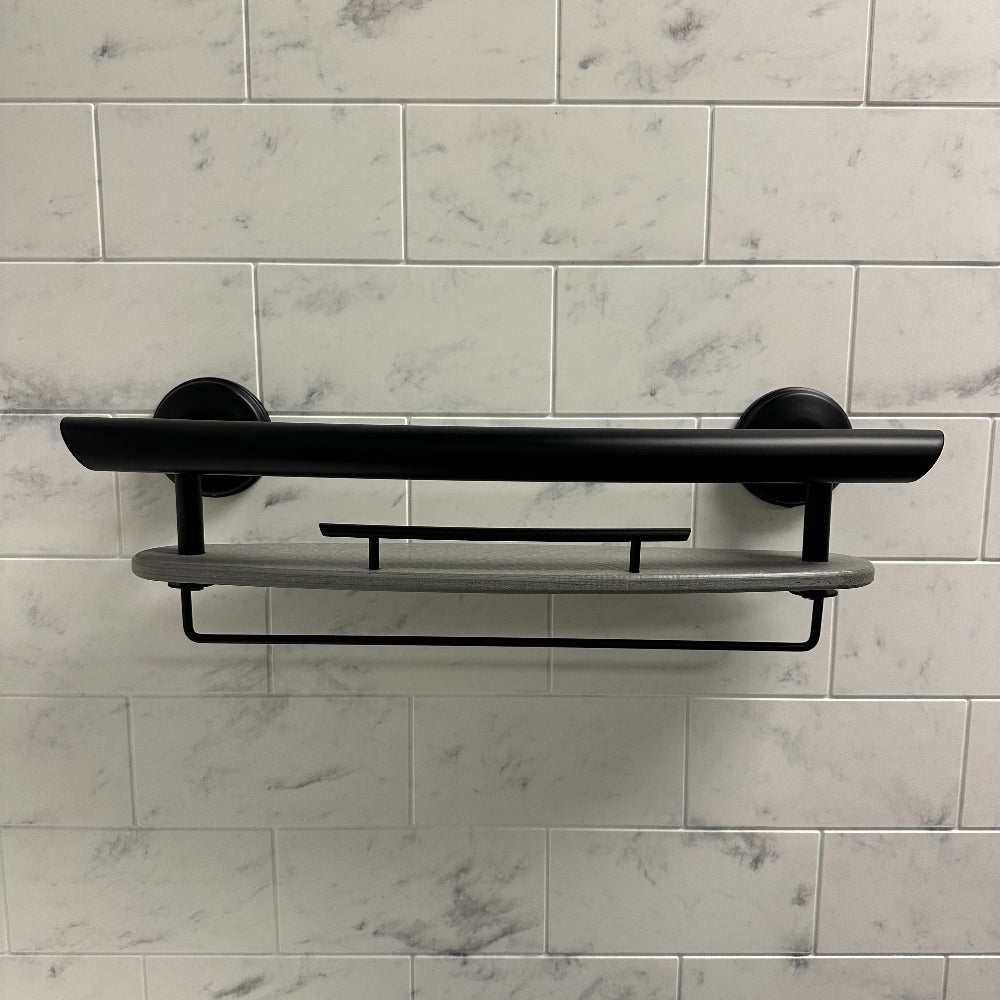
Multi-functional grab bars that include shelves or towel holders also reduce the need to reach or stretch—further minimizing risk.
Modern Design for Modern Needs
Gone are the days when accessibility products looked institutional or clinical. Today’s grab bars are designed with both function and aesthetics in mind.
Features may include:
- Sleek, contemporary finishes
- Integrated storage solutions
- Durable, high-weight capacities
- Ergonomic designs for better grip
This shift in design is important. When accessibility products look good, individuals are more likely to incorporate them into their homes without hesitation.
Reducing Caregiver Dependence
One of the most significant benefits of grab bars is their ability to reduce reliance on caregivers. While support from family or professionals is valuable, independence is often a key goal for individuals with disabilities.
With strategically placed grab bars, users can:
- Perform daily hygiene tasks independently
- Move safely throughout the home
- Maintain privacy and dignity
This not only improves quality of life for the individual but also reduces stress on caregivers.
Financial and Emotional Benefits
Home modifications like grab bars are a cost-effective alternative to long-term assisted care. They provide immediate safety improvements without the high costs associated with full renovations or relocation.
Additionally, the emotional benefits are substantial:
- Increased confidence
- Reduced anxiety about falling
- Greater sense of control over one’s environment
For veterans and individuals recovering from trauma, these psychological benefits are just as important as the physical ones.
Where to Install Grab Bars for Maximum Impact
For disabled individuals, grab bars should be placed in areas that support key movements:
- Bathrooms: Showers, bathtubs, toilets
- Bedrooms: Near beds for transfers
- Living areas: Along walls for mobility support
- Entrances: Near steps or uneven surfaces
Customization is key. Each individual’s needs are different, so placement should reflect their specific mobility challenges.
Accessibility Is Empowerment
Grab bars may seem like a small addition, but their impact is profound. For disabled individuals, veterans, and those recovering from injuries, they represent freedom, safety, and independence.
By investing in high-quality, thoughtfully designed grab bars, you’re not just modifying a home—you’re transforming it into a space that supports life on your terms.
Accessibility is not a luxury. It’s a necessity—and it starts with the right support in the right places.